People use the words trimmer, clipper and shaver as if they are the same thing. They are not, and buying the wrong one is how you end up with a drawer full of gadgets.
This is the quick version, with no barber jargon required.
Clippers: the full haircut tool
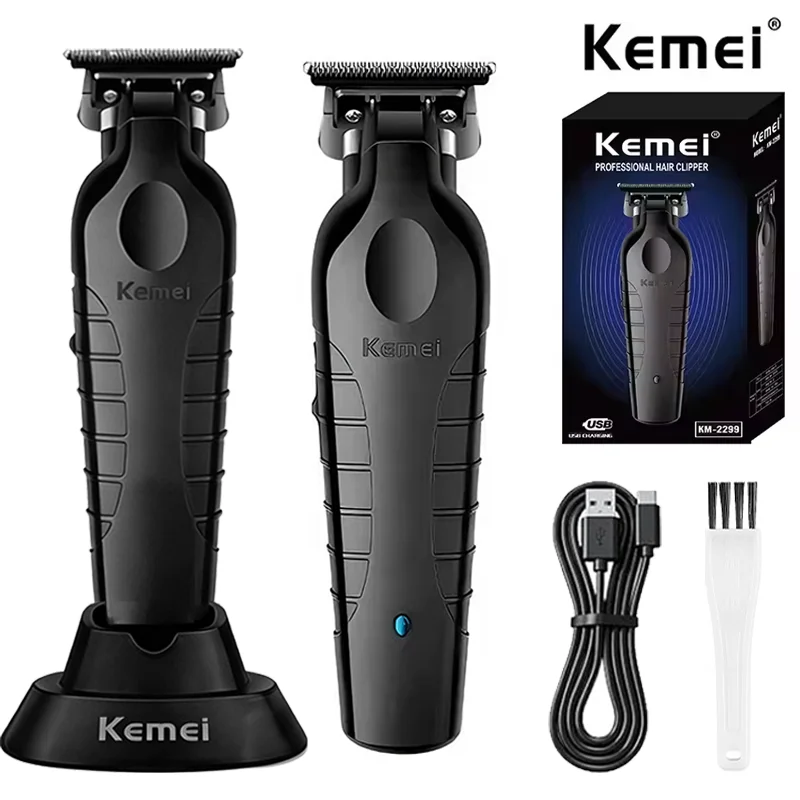
Clippers have a wider blade and a stronger motor, and they use guard combs to cut hair to a set length. If you want to do a buzz cut, a fade or the kids' haircuts, a clipper is your main tool.
Trimmers: the detail tool
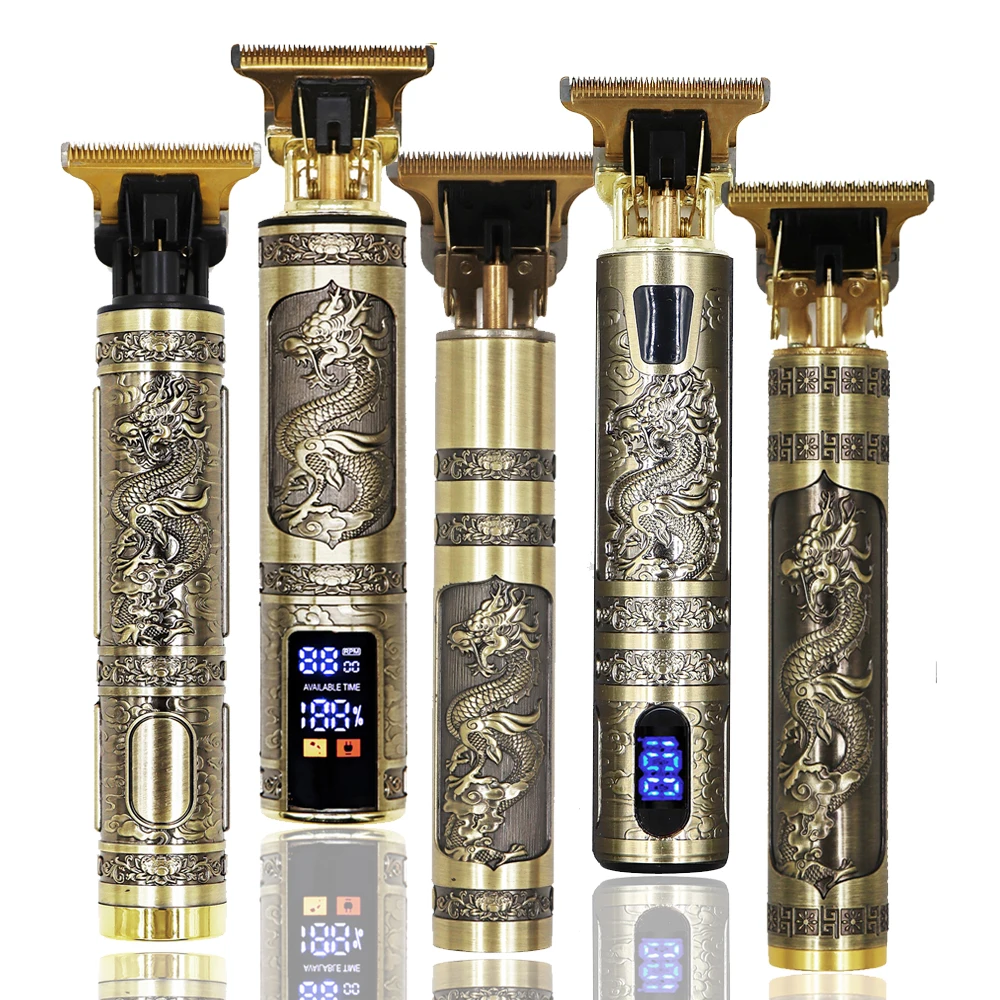
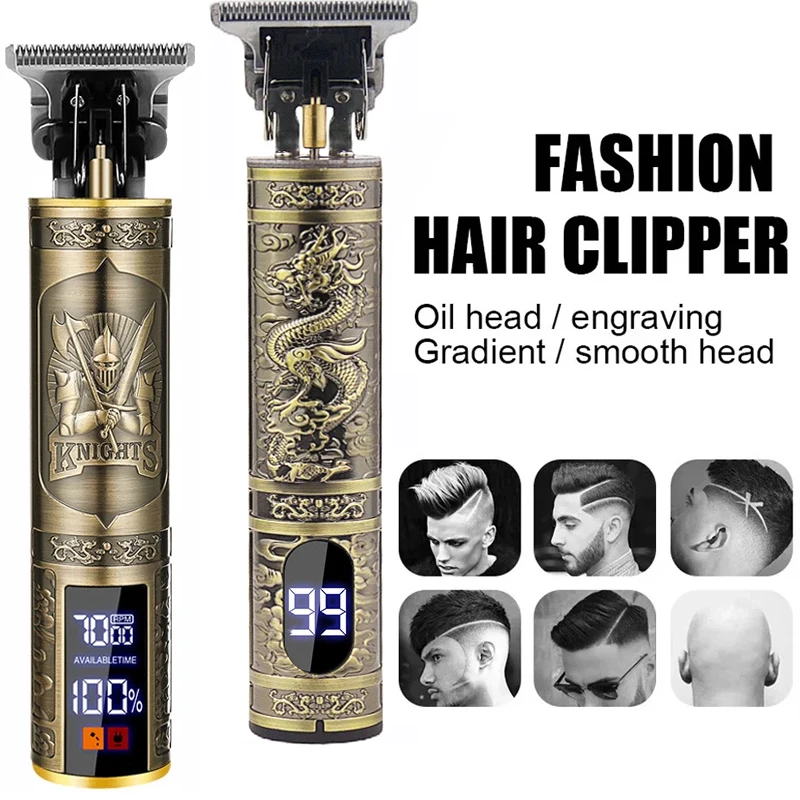
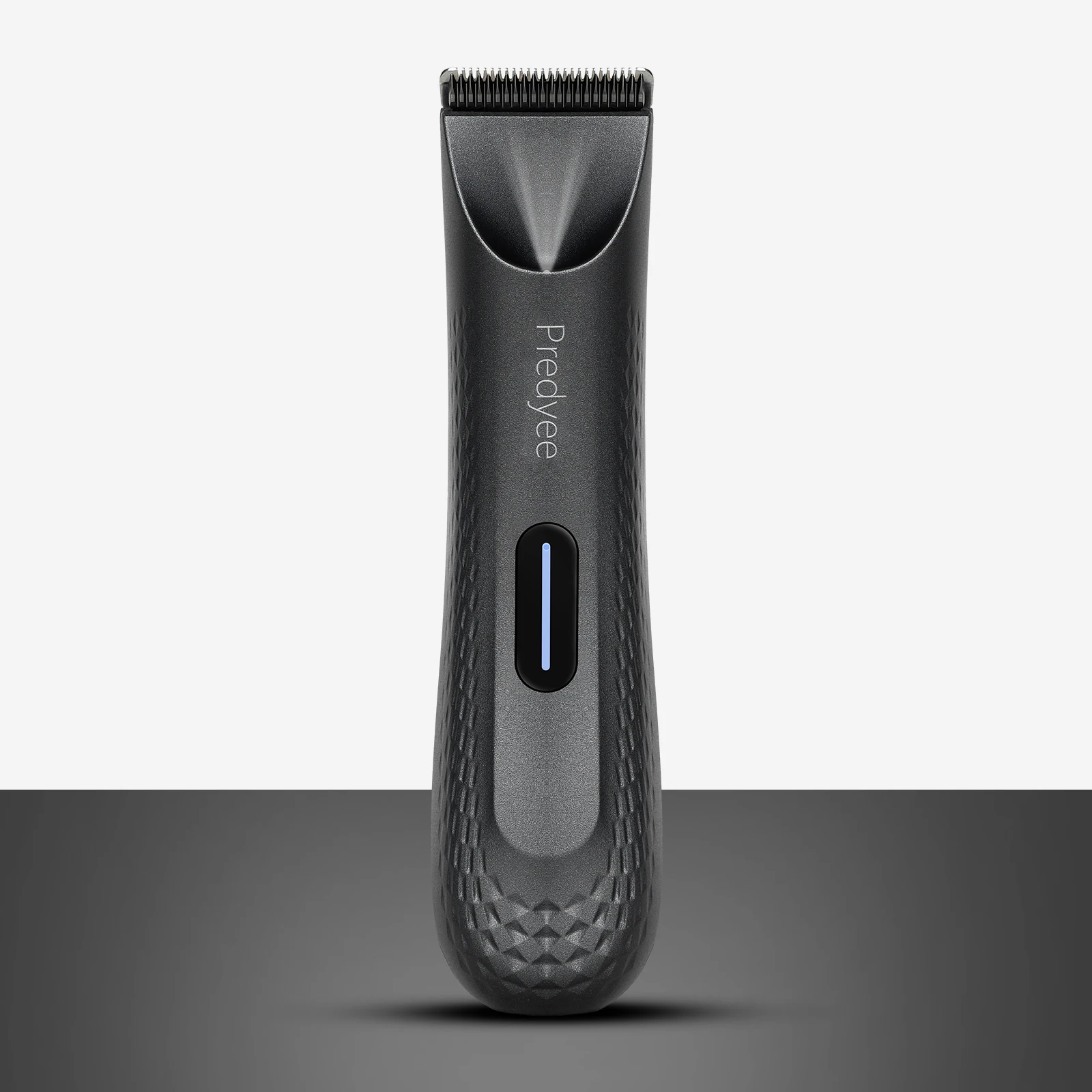
Trimmers have a narrower, finer blade made for edging. They are what you use for beard lines, necklines, around the ears and for cleaning up a haircut. Many can also be used without a guard for a very close trim.
T-blade and zero-gap trimmers
A T-blade trimmer has an exposed blade for crisp outlines. Zero-gapped versions have the blade set very close to the guard for a sharper edge. They are great for line-ups, but take care, because they cut close.
Shavers: the smooth finish
Foil and rotary shavers are made for a smooth finish on the face or a shaved head. They are not meant for cutting longer hair, so they pair with a clipper rather than replace it.
What most households need
For many homes, a decent clipper plus a small trimmer covers everything. If you only keep a short beard, a good all-round trimmer might be all you ever buy.
Where to save and where to spend
Save on small groomers you will use rarely. Spend a little more on the tool you use every week, since a smoother motor and sharper blades make a visible difference.
FAQ
Can I cut my whole head with a trimmer?
You can for very short styles, but it is slower and less even than using a clipper with guards.
Do I need both a clipper and a trimmer?
If you cut the full head, yes, they work well as a pair. If you only maintain a beard, a trimmer is usually enough.